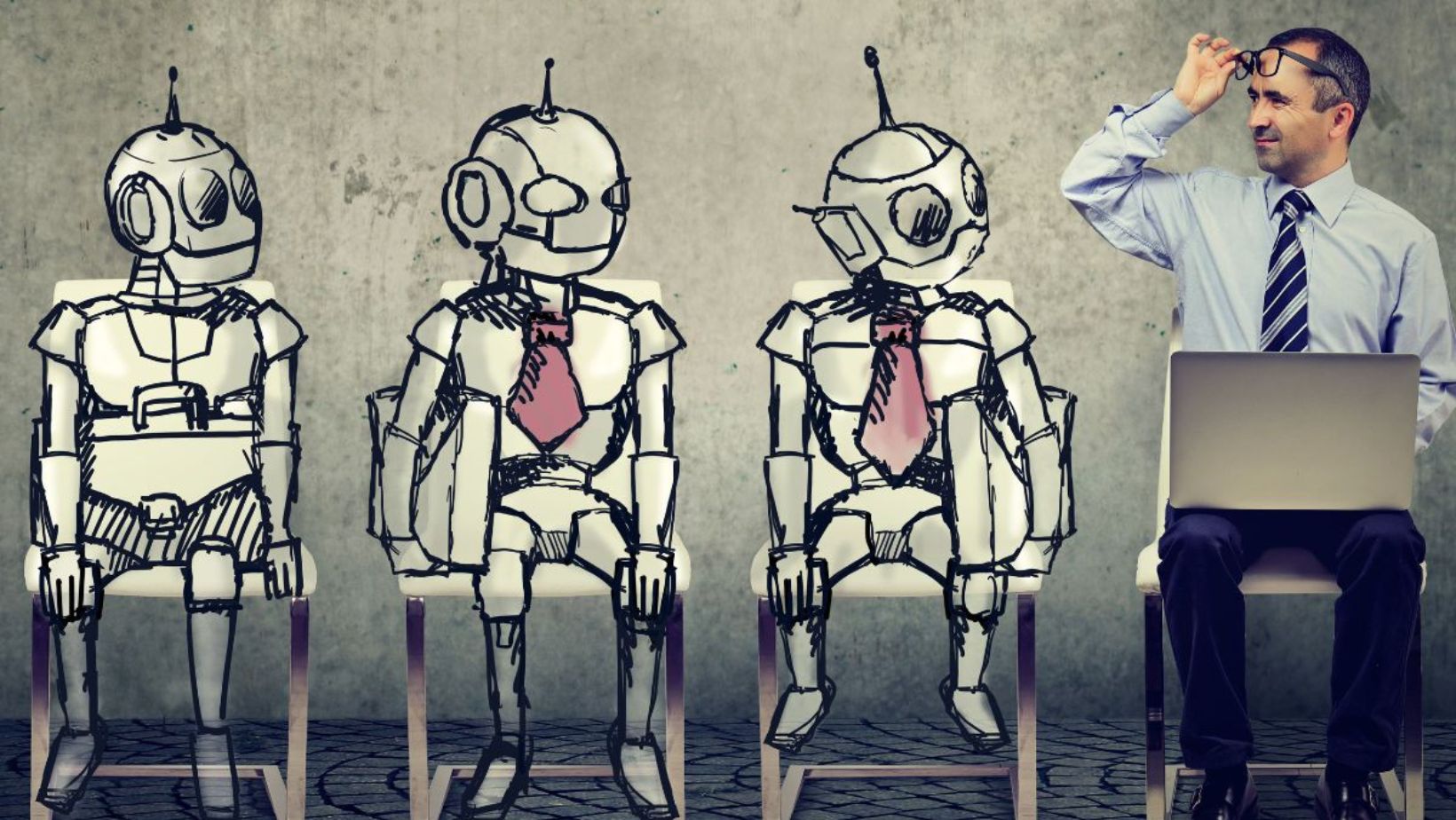
On December 20, 2023, a landmark decision was handed down: artificial intelligence cannot be recognized as an inventor, meaning it is ineligible to obtain patents. The UK Intellectual Property Office (IPO) made this ruling, affirming that inventors must be natural persons or legal entities, not machines.
Artificial intelligence and intellectual property: what does the law prescribe?
The integration of artificial intelligence into the realm of intellectual property raises complex questions and challenges, given that current laws were primarily crafted in a pre-digital age. A pivotal issue revolves around whether AI can be legally acknowledged as an inventor. The UK Supreme Court has determined that only humans or legal entities, such as corporations, can be recognized as inventors, thereby excluding AI. This ruling mirrors a comparable stance taken by the United States Patent and Trademark Office, which maintains that the inventor must be a ‘natural person’.
In Europe, the matter is equally contentious. The European patent system stipulates that the inventor must be a natural person, implying that artificial intelligence, lacking legal personality, cannot hold patents. The ramifications of these rulings are extensive, affecting how companies and individuals can safeguard innovations stemming from AI.
These rulings raise questions about the need to reform intellectual property laws to align with the present era. Some experts suggest that recognizing artificial intelligence as an inventor could foster further innovations, while others fear it might further complicate the definition of human creativity and merit.
Ethical and responsibility aspects in attributing inventiveness to AI
The debate surrounding the recognition of artificial intelligence in this context raises substantial ethical and legal considerations within the realm of intellectual property. Ethically, the issue of attribution and credit arises: if an AI makes a significant contribution to an invention, overlooking its role could be viewed as a lack of transparency. However, legally, artificial intelligence cannot hold rights due to its lack of legal personality, leading to complexities in matters of accountability. Who bears responsibility for errors or patent infringements when AI plays a significant role? These inquiries directly impact patent translators, who must navigate and interpret patent laws in a swiftly evolving landscape.
Moreover, the involvement of AI in inventive processes alters the approach to drafting and reviewing patents. Patent translators must now consider not only technical and linguistic accuracy but also the legal compliance of patents that may encompass contributions from AI. Regulatory uncertainty renders this area particularly challenging, as existing laws do not yet fully reflect the capabilities and implications of AI technologies. In this context, ongoing updates and adaptability become crucial skills for industry professionals who must navigate evolving legal interpretations and the potential future legislation that may recognize artificial intelligence in a more significant manner.
The Use of AI in the Invention and Patenting Process
Artificial intelligence is revolutionizing the creation and development process across multiple sectors. One of the most remarkable examples is its application in pharmaceuticals, where AI is used to analyse vast datasets to predict molecular interactions, thus greatly accelerating the discovery of new drugs. In the technology sector, companies like IBM and Google deploy AI systems to optimize microprocessor circuits and enhance energy efficiency in data centres. Likewise, the automotive industry benefits from AI, leveraging it for the development of advanced driver assistance systems and autonomous vehicles.
Beyond generating new inventions, AI also plays a pivotal role in patent drafting and searching. Tools such as AI-powered patent search enable professionals to conduct more precise and expedited patent searches, identifying potential overlaps or infringements with greater efficiency. Additionally, artificial intelligence assists in patent drafting by providing suggestions on structuring claims to maximize legal coverage and minimize litigation risks. These tools not only enhance the quality of applications but also accelerate the process, enabling companies to protect their innovations more swiftly.
The role of patent translators in the era of artificial intelligence
In an AI-dominated era, the role of patent translators is undergoing significant evolution, presenting both new challenges and opportunities. With artificial intelligence increasingly central to invention development and patent management, translators must not only uphold high levels of linguistic and technical proficiency but also grasp the legal and technological nuances shaped by AI. It’s essential for them to become adept with these tools, seamlessly integrating such technologies into their daily workflow.
At Aglatech14, boasting over 20 years of experience in the realm of intellectual property, we have skilfully adjusted and progressed in this direction. We’ve refined a meticulous approach through collaboration with an extensive network of linguists and subject matter experts. This enables us to precisely manage the translation of intricate patents across diverse sectors, such as pharmacology, electronics, biotechnology, and mechanics.
Our team of patent translators is not just skilled in handling traditional content; we’re also experts in leveraging artificial intelligence tools to complement and enhance our work. To stay ahead of the curve, we continuously educate ourselves on AI advancements, actively engage in industry seminars and workshops, and maintain close collaborations with legal and technical experts. Our commitment to adaptability and ongoing learning ensures that we consistently deliver exceptional service to our clients—both now and in the face of evolving market dynamics and regulatory changes.
Aglatech14 ContenTalkers
Marketing Team