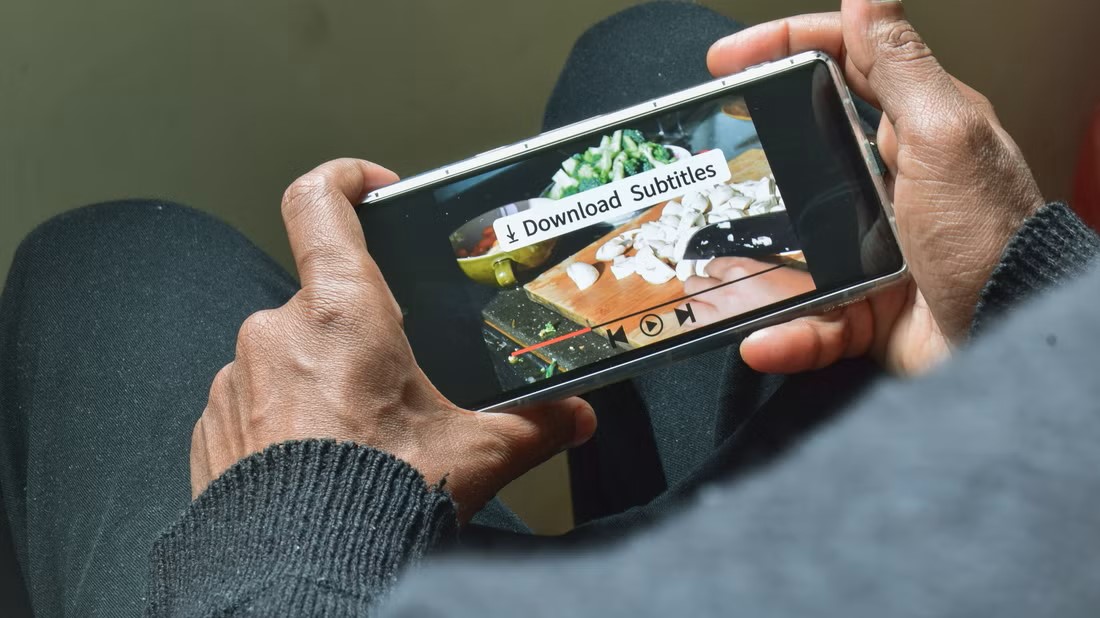
In the digital era, video content creation is experiencing tremendous growth, but there is one crucial aspect that is often overlooked: accessibility. Making videos accessible means ensuring that every person, regardless of their linguistic or hearing abilities, can understand and appreciate the message you wish to communicate.
Multilingual subtitles are essential: they not only overcome language barriers but also enhance inclusivity, reaching a global and diverse audience.
Their importance goes beyond simple translation; they offer an opportunity to connect with different cultures, expanding the reach of the content and creating new opportunities for engagement.
At a business level, multilingual subtitles are not just an added value to improve accessibility, but they also represent a powerful tool to achieve specific business goals. Whether it’s a video to raise brand awareness, launch a product or service, or train your team, adopting multilingual subtitles enables companies to increase visibility and maximize the impact of their initiatives. Implementing accurate and culturally contextualized subtitles is essential to ensure the message is conveyed correctly, making each video a strategic investment in business communication and inclusivity.
Why are multilingual subtitles important?
Multilingual subtitles bring transformative benefits, reshaping both the perception and experience of video content. First, they enhance global accessibility, allowing people from different languages and nationalities to understand a message, thus broadening the audience. This not only increases the visibility of the videos but also creates new opportunities to interact with diverse cultures.
Moreover, subtitles promote inclusivity, ensuring that even people with hearing difficulties can follow and appreciate the content. In an increasingly interconnected world, inclusion is key to building meaningful and lasting relationships with your audience. Depending on the specific goal of the video – whether informative, promotional, or educational – well-made subtitles help maintain audience engagement.
Finally, using multilingual subtitles can improve viewer engagement, allowing anyone to actively participate in the conversation. It’s not just about conveying information but creating a sense of community and belonging. Have you ever thought about that?
The art of localization: translation and culture in multilingual subtitles
Localization in multilingual subtitles goes beyond a simple translation. It requires an in-depth approach that considers the cultural and linguistic nuances of each audience. Accurate translation is crucial to preserving the original meaning of the message, while localization adapts cultural references, idiomatic expressions, and specific contexts. This approach makes video content more relevant and understandable for diverse audiences.
For example, a humorous reference that works in one language may be incomprehensible or even offensive in another. Therefore, it’s essential that the translator not only knows the language but also the cultures in question. This not only improves subtitle quality but also fosters a more authentic connection with the audience.
For B2B companies, localizing video content means being able to speak the language of their target market in every region, increasing the effectiveness of marketing campaigns, and promoting the brand on an international scale. This approach allows you to fully exploit the potential of video communication as a strategic marketing tool.
In summary, localization is key to maximizing the impact of videos on a global scale, making them accessible and appreciated by all. Only in this way can experiences that resonate and engage the audience, regardless of their native language, be created. Investing in localization also means respecting diversity and celebrating differences, transforming every video into a bridge between cultures.
Guidelines for effective subtitles: synchronization and formatting
To ensure subtitles are effective, it’s crucial to follow some best practices. First, ensure that the subtitles are correctly synchronized with the audio. Good synchronization allows viewers to follow the content without difficulty, enhancing their experience. Using video editing software that allows for easy timing adjustments is essential to match subtitles perfectly to spoken words.
Additionally, pay attention to formatting. Keeping subtitles short and concise, limiting the number of characters per line and the display time, is very important. A common rule is not to exceed two lines per subtitle, making the text more readable. You should also use clear, appropriately sized fonts to ensure they are easily legible on different devices.
Finally, always ensure there is good contrast between the text and the background. Clear and well-formatted subtitles not only improve understanding but also enrich the entire visual experience, making videos more accessible and engaging for a global audience.
Testing and reviewing subtitles to ensure quality and accuracy
The testing and reviewing phase of subtitles is crucial to ensure accuracy and quality. After creating them, it’s essential to perform a thorough check to ensure there are no spelling, translation, or formatting errors. Well-made subtitles should not only be grammatically correct but should also accurately reflect the original video message.
Moreover, testing subtitles directly on the video is essential to verify synchronization with the audio. This allows for the identification of any discrepancies and necessary corrections before publication. A visual check ensures that the text is readable and that the contrast with the background is adequate.
Investing time in reviewing and testing subtitles not only improves content quality but also offers a better experience to viewers, making your videos more professional and accessible. When the video is intended to promote a service, present a case study, or even simply educate internal staff, reviewing subtitles is essential to ensure the business message is clearly perceived in every context.
Video accessibility: a success story
To illustrate the importance of subtitles in video production, here’s a case study where this service was essential: a short film in memory of Pier Paolo Pasolini we recently worked on. In this project, subtitles had to be created in English, starting from Italian audio and a translation provided by the client. The main task was to readapt the sentences to fit perfectly within the timing and space of the video.
One of the main challenges was the presence of many voice-overs, which require particular attention in formatting. Generally, voice-overs are indicated in italics, but overusing this style can be tiring for viewers. Additionally, the short film contained numerous “signs” — visible writing in the video such as flyers, road signs, and banners — which also had to be translated.
We tackled the challenge of translating signs with quite long texts, ensuring we found adequate space to insert them without compromising readability. Since they were crucial to the plot, their translation was essential. An additional difficulty was that the signs often appeared while characters were speaking, creating a complex balance between displaying the writings and maintaining a smooth reading experience for the viewer.
Thanks to careful management of these issues, the short film was able to reach a wider and more diverse audience, demonstrating the effectiveness of well-designed subtitles. The ability to adapt translations and formatting to the specific needs of a project is essential to ensuring high-quality results and a positive experience for viewers. If you found the article interesting and want to learn more about the service, visit: https://www.aglatech14.com/en/subtitling/
Aglatech14 ContenTalkers
Marketing Team