The translation industry is undergoing a profound and rapid transformation. Until just a few years ago, translation was seen as a fairly linear process—reading the source text, translating it, reviewing it, and delivering the final version. Today, however, the landscape is significantly broader and more dynamic.
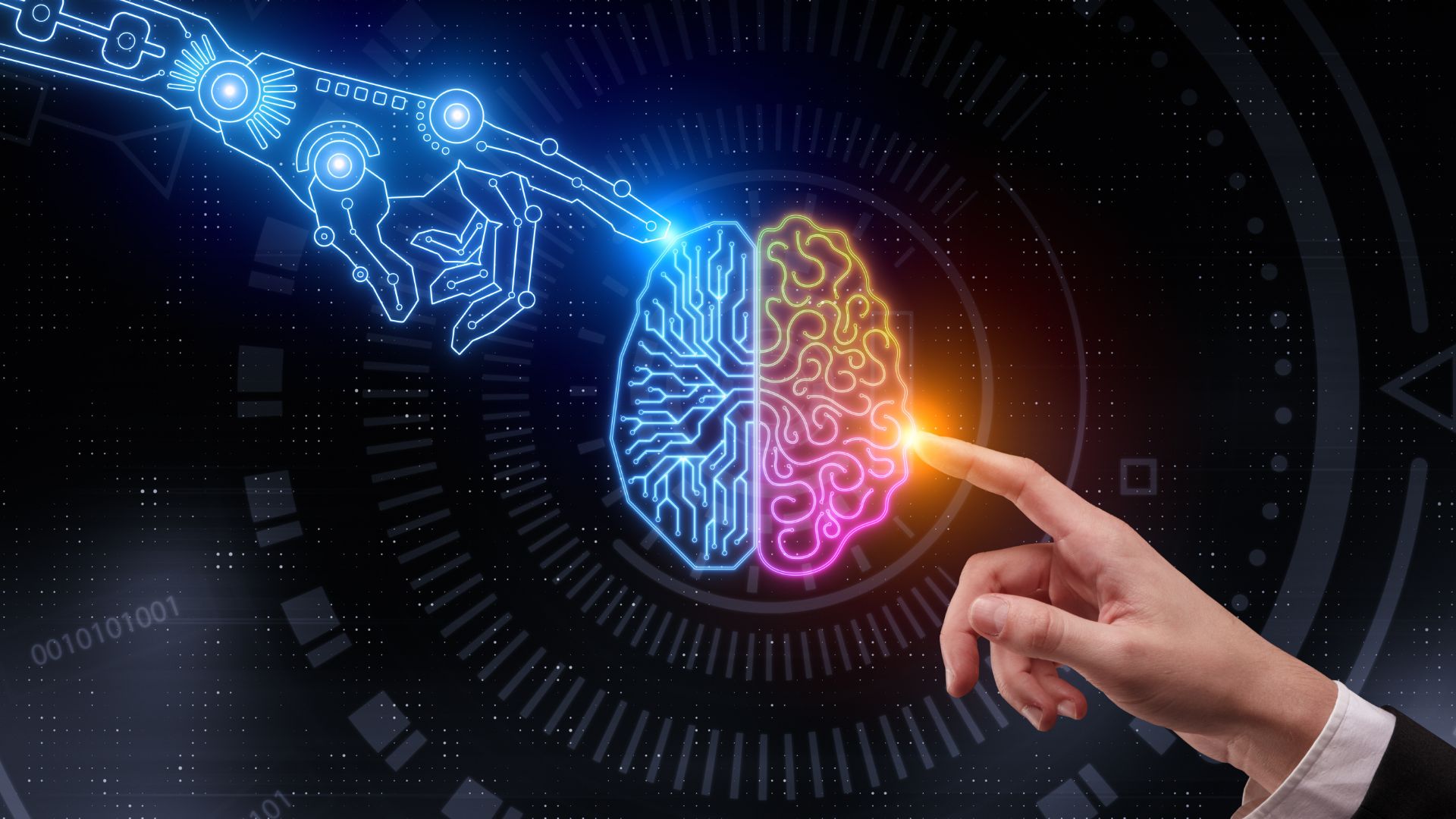
The introduction of Artificial Intelligence (AI) has opened entirely new scenarios, transforming both the role of the translator and the demands of the market. Translation is no longer just about converting words from one language to another: today, professionals actively contribute to the development of machine translation engines, evaluate translations generated by Large Language Models (LLMs), and provide feedback to improve them.
Let’s explore together the evolution from traditional translation to AI training.
From Traditional Translation to the Training of AI-based Machine Translation Engines
Aglatech14 has been working for over 20 years in the field of linguistic services, offering highly specialized professional translations in legal, patent, technical, marketing, and scientific domains—and beyond. In recent months, however, a new type of request has emerged and grown steadily: collaborating in the training of AI-based machine translation engines. It all started with a collaboration with a tech and IT giant, and today, many organizations are reaching out to us for these kinds of projects.
This new activity presents exciting technical and linguistic challenges. It’s no longer just about fixing errors in machine-translated texts (so-called post-editing), but rather about playing a strategic role, providing critical evaluations and detailed feedback to help language models improve over time.
What’s Different from Traditional Post-Editing?
To understand the evolution of the translator’s role, it’s important to draw a clear distinction. Traditional post-editing, as provided in our classic services, involves a human reviewer correcting machine-generated translations to ensure they are grammatically, syntactically, terminologically, and stylistically sound.
This task is still very relevant and valuable—especially for projects that require speed and terminological consistency. But what’s happening in the AI field goes a step further.
In language model training, the translator does not simply correct; they evaluate, segment, classify, and provide explanations and suggestions for improving the entire system. Key evaluation areas include:
- Stylistic consistency;
- Contextual relevance;
- Fluency and coherence;
- Correct use of specialized terminology.
In other words, the translator becomes a strategic figure, acting as a trainer and evaluator of Artificial Intelligence.
What Skills Are Needed Today?
This evolving role requires new skills. In addition to deep knowledge of languages and subject matter expertise, today’s translators need:
- An understanding of how AI and machine translation systems work;
- The ability to interact with linguistic evaluation interfaces;
- An analytical mindset and a drive for continuous improvement;
- A keen sensitivity to linguistic and cultural nuances—elements that AI models still struggle to grasp.
Aglatech14 is preparing to tackle these new challenges with a team that is skilled, curious, and up-to-date. We strongly believe in this new horizon—not to replace human work, but to collaborate actively with technology and guide it toward ever more satisfactory results.
AI as an Opportunity, Not a Threat
Some fear that AI might “steal jobs” from translators. We prefer a different perspective: AI as an ally. In a world where translation demands are growing exponentially and content is multiplying, AI-powered tools can be incredibly helpful for handling large volumes quickly.
However, the real added value remains in the hands of the human professional—in their ability to spot imperfections, apply stylistic judgment, and contextualize appropriately. Even when working with machines, people make the difference.
We are once again facing a situation that the translation and localization industry encountered years ago with the advent of post-editing: the initial fear was strong, but that moment revealed the real potential of the technology. In a Darwinian view of the situation, Aglatech14 is ready to evolve once again, adapting to this new reality, confident that AI can further enhance the quality of our services.
What’s Next?
This new direction has already yielded tangible results. Our LLM evaluation projects are growing, engaging expert linguists around the globe and reinforcing our role as a reliable partner in this emerging field.
The language services industry is evolving—and Aglatech14 evolves with it. We remain true to our mission—ensuring quality, expertise, and attention to detail—but we now express it in new, innovative ways, with our eyes always on the future.
Aglatech14 ContenTalkers
Edoardo Latini – Account & Project Manager
Chiara Balletti – Marketing Team