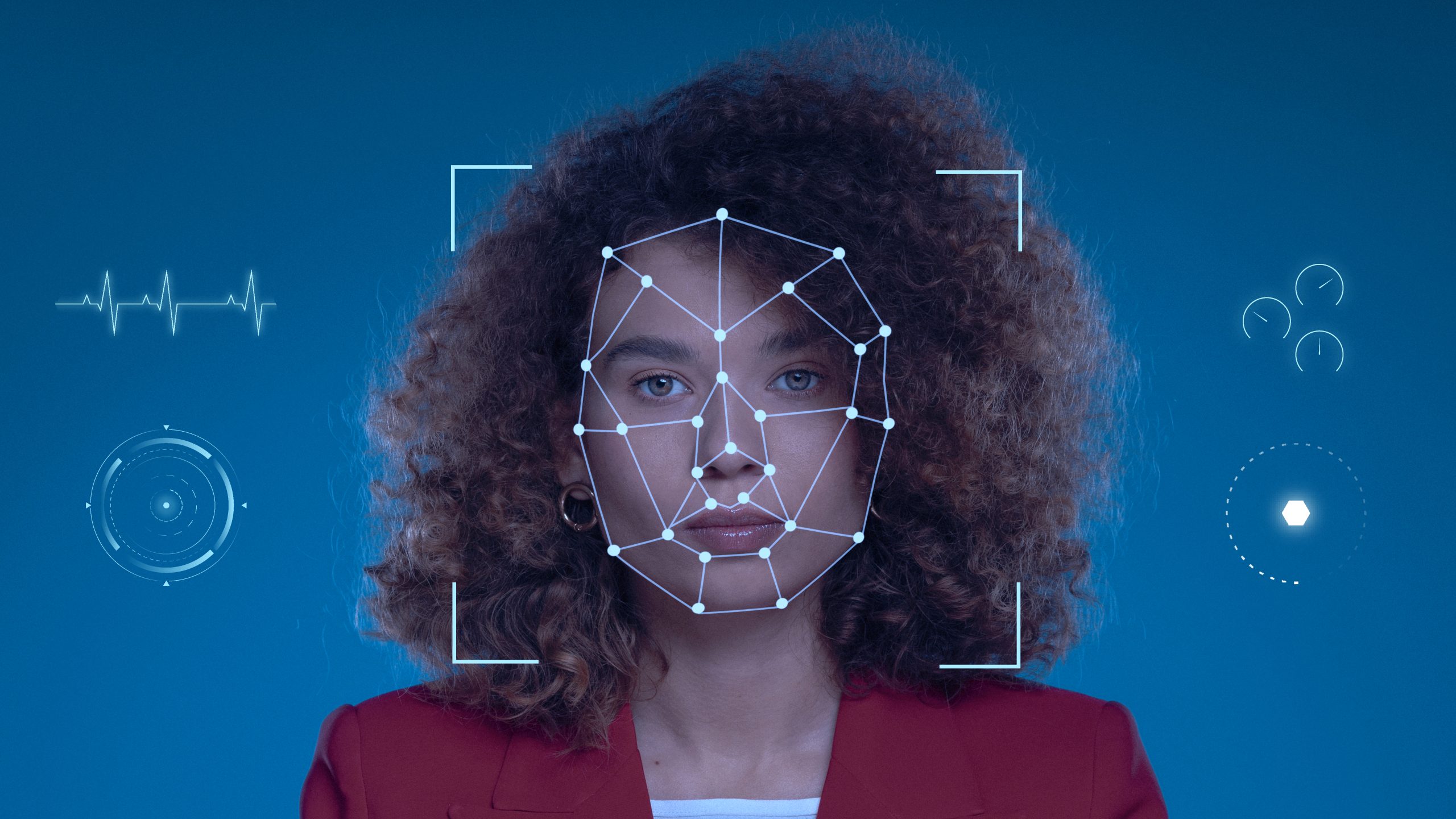
Generative artificial intelligence is rapidly transforming the way digital content is created. Today, advanced systems can replicate voices, images, videos, and even communication styles with an increasingly high level of realism. While deepfakes once appeared to be a niche phenomenon, they now represent a concrete issue for companies, professionals, and global brands.
The rise of synthetic content is creating new challenges related to the legal protection of voice and image in AI, as well as the safeguarding of digital reputation and communicative identity. In a global and increasingly automated environment, the risk extends beyond the misuse of personal identity to include the manipulation of content, messages, and language associated with a brand.
For intellectual property law firms, this means addressing new forms of protection that involve not only trademarks, copyright, and image rights, but also intangible elements such as tone of voice, terminology, and editorial style.
What It Really Means to Protect Your Digital Identity
When people talk about “patenting yourself,” they are often using a simplified expression to describe a range of very different legal tools. Protecting digital identity may involve image rights, copyright, trademarks, and commercial licensing linked to the use of voice, content, or visual assets.
Increasingly, language itself is becoming a strategic brand asset. AI systems can analyse thousands of corporate contents and reproduce proprietary terminology, narrative structures, and recognizable communication patterns.
For this reason, protecting digital identity is now increasingly overlapping with issues such as unfair competition, trademark dilution, and reputational protection.
The Cases Driving the Debate
Over the past few months, several incidents have fuelled the international debate surrounding the limits of generative AI. One of the most discussed cases involved Scarlett Johansson and OpenAI, following the release of a synthetic voice considered strikingly similar to that of the actress. Tom Hanks also publicly denounced the unauthorized use of his image in AI-generated advertising content.
At the same time, the music industry is facing the rapid growth of voice cloning technologies, with systems capable of imitating real artists with remarkable precision.
Courts are also beginning to define new boundaries. In the United States, recent legal actions against AI voice cloning platforms, such as Lehrman v. Lovo Inc., are helping redefine the relationship between vocal identity, consent, and IP protection in the age of artificial intelligence. More recent decisions, such as Thaler v. Perlmutter, are also clarifying the relationship between AI and copyright protection for automatically generated works.
AI as a Double-Edged Sword: When Brand Content Becomes Imitable
Artificial intelligence does not only replicate people, it can also reproduce a brand’s communication identity.
The risks are concrete and already well documented. Research has shown that 76% of Chief Marketing Officers consider fake AI-generated brand collaborations their “worst nightmare.” Viral parodies and fraudulent advertising campaigns have involved brands such as IKEA, Patagonia, and Adidas, creating consumer confusion and potential reputational damage.
In response to these threats, international brands are adopting integrated identity protection strategies. In 2024, Lacoste became the first fashion brand to implement an AI system capable of identifying counterfeit products and content with 99.7% accuracy through visual analysis. Prada, LVMH, and Cartier created the Aura Blockchain Consortium to certify the authenticity and traceability of products and digital content throughout the supply chain.
The patent landscape is also evolving rapidly. Microsoft, IBM, and Mastercard have filed patents related to biometric authentication systems and decentralized digital identity, while Adobe is developing technologies designed to certify the origin and authenticity of digital content through verifiable metadata.
New Regulations Against Deepfakes and Synthetic Content
The spread of deepfakes has pushed governments and institutions to develop new AI-focused regulations. In the United States, the debate is centred around the NO FAKES Act, a proposed law aimed at protecting voice and image rights against unauthorized AI-generated uses.
In Europe, the AI Act introduces transparency obligations for certain AI systems and AI-generated content. The goal is to improve the traceability of synthetic materials and reduce the risks of manipulation, disinformation, and fraudulent use.
For businesses, this means developing increasingly structured AI governance strategies. In this context, linguistic control over content is also becoming a growing strategic priority.
Brand Protection Starts with Protecting Linguistic Identity
In the era of generative AI, protecting a brand no longer means simply defending logos, naming, or visual assets. More and more often, a company’s identity is also defined by the way it communicates: tone of voice, terminology, editorial style, and consistency across languages and markets.
Today’s AI systems are capable not only of generating text, but also of imitating corporate language, creating multilingual content, and reproducing recognizable communication patterns. This creates new challenges for organizations operating internationally, especially when automated content is published without adequate linguistic supervision or quality control.
Ensuring that translations, marketing materials, and automated communications remain aligned with brand identity is therefore becoming an integral part of reputational protection and corporate IP strategy.
For many intellectual property law firms, linguistic governance and AI-generated content control may become a new area of specialized consulting in the years ahead.
Conclusion
Digital identity is rapidly becoming one of the most valuable assets in today’s economy. Voice, image, content, and communication style are no longer simply branding elements, but strategic assets that require protection.
In the coming years, the real competitive advantage will not simply be adopting AI, but maintaining quality, trust, and communicative consistency within an increasingly automated and global digital ecosystem. In this scenario, the protection of linguistic identity may become one of the central new challenges for intellectual property professionals.
Aglatech14 ContenTalkers