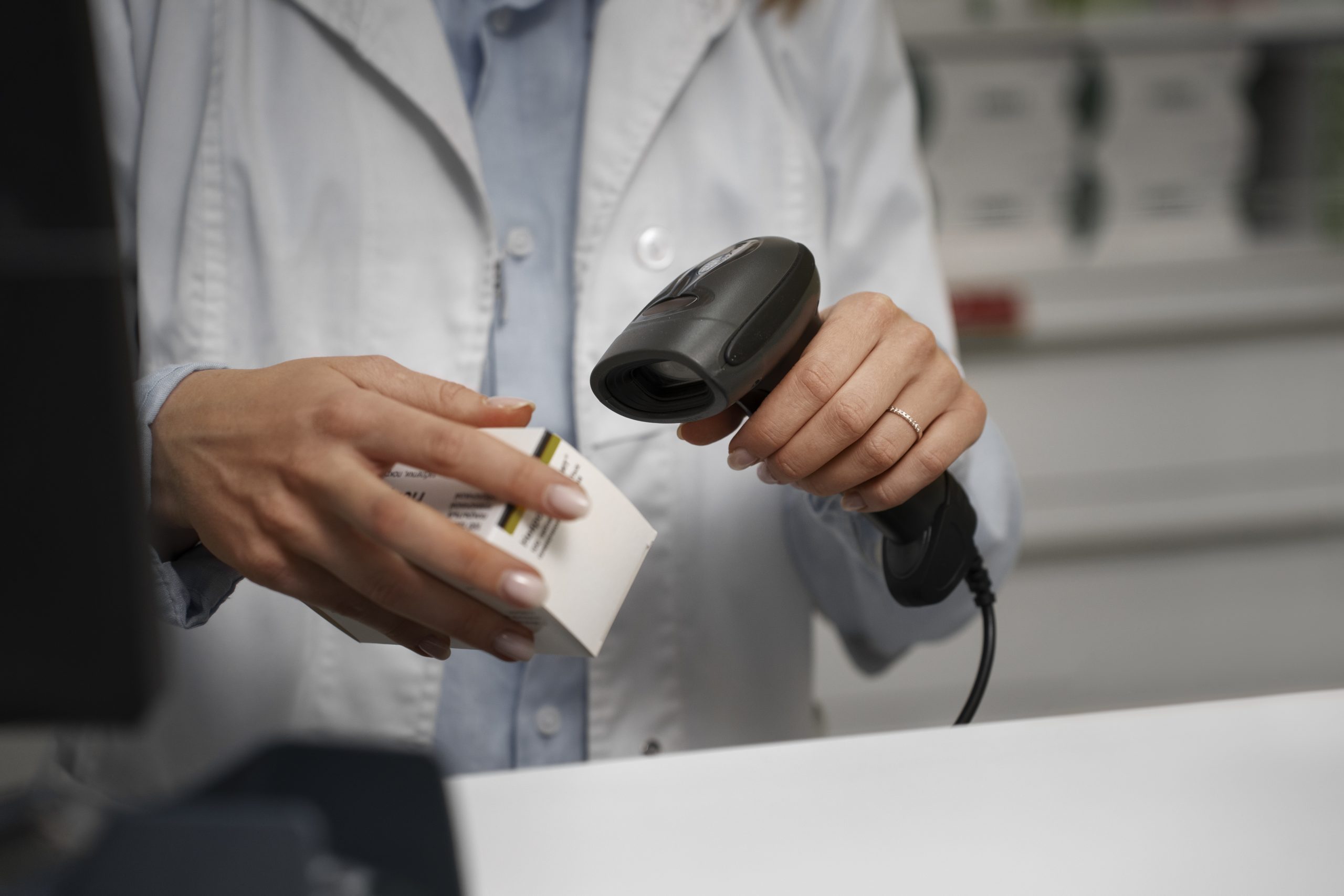
Under Regulation (EU) 2017/745 (MDR), the labelling of medical devices plays a central role in regulatory compliance. The information provided on the label and in the Instructions for Use (IFU) must allow for the identification of the device, a clear understanding of its function, and safe usage by both healthcare professionals and patients.
Manufacturers are required to ensure that this information is accurate, complete, and understandable in all the official languages of the countries where the device is marketed.
Labelling, therefore, is not just a technical requirement: it is a means of regulatory communication that combines language, safety, and accountability.
Linguistic compliance as a regulatory requirement
Article 10 and Annex II of the MDR specify that every medical device must be accompanied by information in the language required by the Member State where it is placed on the market.
This means that the manufacturer must ensure linguistically equivalent versions of the labelling and IFU, taking into account national regulatory differences, for example in cases where devices are intended for professional or home use.
Translation in this context is not a secondary linguistic task—it is a regulated activity that directly impacts patient safety and product compliance.
Terminological errors, omissions, or ambiguous translations can compromise correct usage of the product and lead to non-compliance, with potentially serious clinical and regulatory consequences.
Translation as part of the quality cycle
Article 16 of the MDR covers situations where distributors or importers make changes to the labelling or IFU after the device has been placed on the market, such as performing translations or relabelling.
In such cases, the party responsible for the translation must have an adequate and certified Quality Management System (QMS) in place, capable of ensuring process traceability and validation of the translated versions.
Moreover, the manufacturer and the competent authority in the relevant Member State must be informed within 28 days of placing the modified device on the market.
This approach reflects a key principle of the MDR: linguistic quality is an integral part of device quality.
As a result, many companies have integrated language management into their quality systems, treating it as a controlled process, subject to checks and traceability, just like manufacturing or risk management.
Labelling and traceability: the contribution of the UDI system
A cornerstone of regulatory labelling is the Unique Device Identification (UDI) system, introduced to ensure the unambiguous traceability of each medical device throughout the supply chain.
The UDI consists of an alphanumeric code that includes:
• UDI-DI (Device Identifier), identifying the manufacturer and the specific model of the device;
• UDI-PI (Production Identifier), including production details such as lot or serial number.
With the UDI code, manufacturers can identify and monitor each device, facilitating vigilance activities, recall management, and reporting of serious incidents.
EUDAMED and data management
The UDI is closely linked to the EUDAMED (European Database on Medical Devices), which centralises data related to devices placed on the EU market.
According to Article 27 of the MDR, every UDI-DI must be registered in EUDAMED along with the manufacturer’s identification details, the European Medical Device Nomenclature (EMDN), and other descriptive elements.
The UDI serves as a unique key connecting the physical device—identified through its label—to its digital profile in the European database.
This connection ensures traceability throughout the device’s lifecycle, enabling competent authorities and economic operators to monitor real-time vigilance actions or safety updates.
Device registration in EUDAMED involves completing multiple data fields—a process requiring not only technical accuracy but also linguistic and terminological consistency, as each entry is tied to the UDI and EMDN classification.
An improperly or inconsistently translated name can compromise traceability, cause data ambiguity, and hinder post-market surveillance activities.
A linguistic perspective on compliance
For medical device manufacturers, language management is not just a regulatory obligation but a component of the Quality Management System (QMS) and a marker of overall reliability.
Every translation—whether for a label, IFU, or EUDAMED record—contributes to the device’s transparency and safety, and must therefore be planned, verified, and documented according to quality criteria.
Integrating translation into the QMS means:
• establishing internal procedures for managing and reviewing language versions;
• using approved glossaries and terminology databases consistent with technical documentation;
• implementing linguistic validation processes with independent review or regulatory approval;
• ensuring traceability of linguistic changes and document control;
• working with qualified language service providers certified to ISO 17100 or aligned with ISO 13485-compliant processes.
Such a systematic approach helps reduce the risk of non-compliance, facilitates audits, and ensures consistent communication across different European markets.
In this sense, the label is more than just an informational tool—it is a tangible expression of the dialogue between regulation, quality, and language.
Aglatech14 ContenTalkers